Helping students cope through compassion.
Our mission at CAPS is to promote effective coping to find self-compassion, insight, and purpose. We honor the struggle, empower connectedness, and cultivate resilience.
Anyone enrolled as a student at Cal Lutheran can access CAPS. We work with a wide range of students from diverse backgrounds and life experiences. We provide compassionate listening, validation and strategies to support you across life domains. Our services are free and confidential.
Explore our services today — we'll help you thrive and reach your goals.
805-493-3727
Mon.-Fri., 8:30 a.m.-5 p.m.
Closed for Lunch: 12-1 p.m.
We offer services to undergraduate and graduate students. Our team also works with faculty and staff to support students.
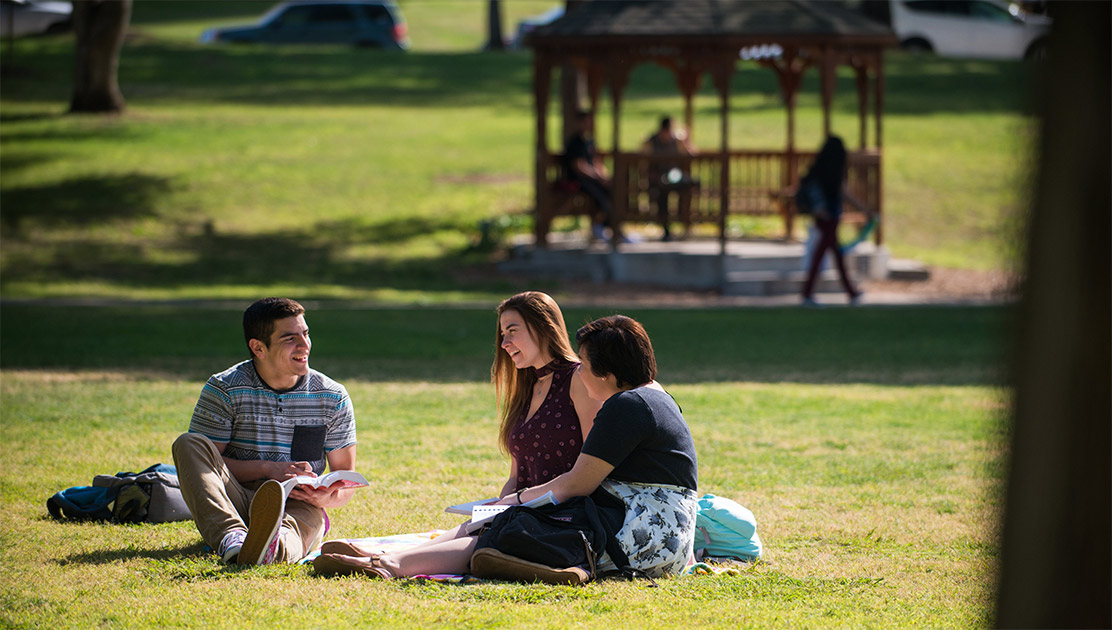
For Students
We provide therapy services for students in various formats for individuals, groups, and relationships.
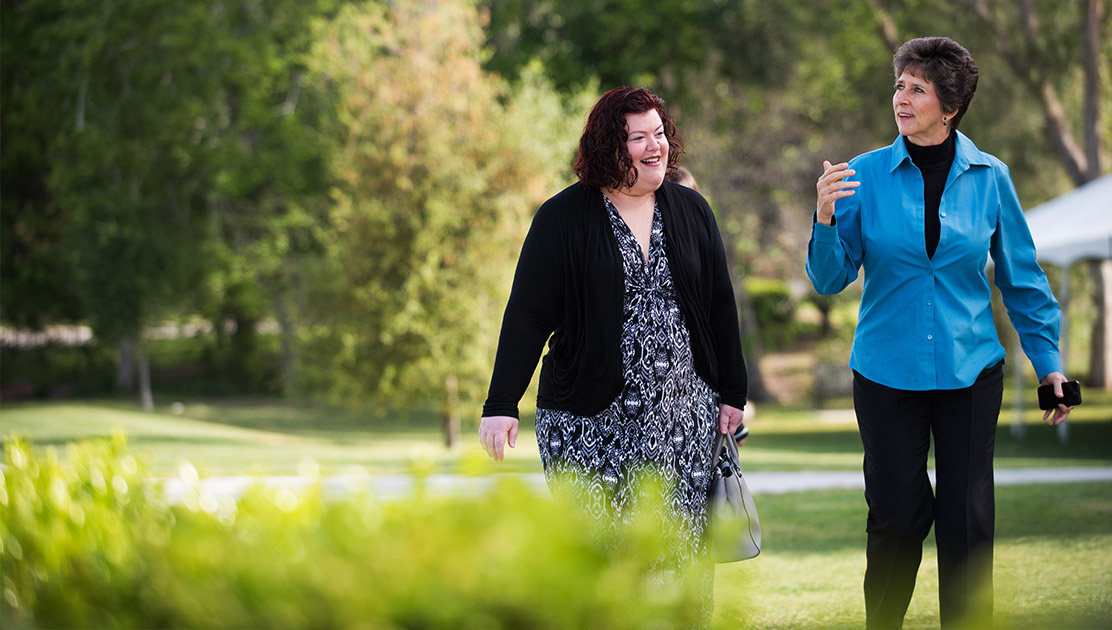
For Faculty and Staff
Our staff is invested in promoting student success, personal growth, and emotional well-being. Outreach and consultation are available.
Additional Offerings
 Additional Offerings


Our Commitment to Diversity and Inclusion
Counseling and Psychological Services is comprised of a diverse range of cross-disciplinary staff who are personally and ethically committed to providing care that is grounded in multicultural humility and social-justice values. We value diversity and recognize the unique challenges students may face based on one’s race, creed, color, religion, age, disability, sexual orientation, immigration status, gender identity and expression, body size/shape, marital status, national origin, political opinions/affiliations, genetic information, veteran status, and the many other ways one might identify. Throughout all of our services, including individual counseling, group counseling, and workshops, we strive to provide fair and inclusive access to better serve the student body, strengthen society, and honor the diversity of our entire campus community.
Consejería y Servicios Psicológicos se compone de una amplia gama de personal interdisciplinario que se compromete personal y éticamente a brindar atención basada en valores de humildad multicultural y justicia social. Valoramos la diversidad y reconocemos los desafíos únicos que los estudiantes pueden enfrentar según su raza, credo, color, religión, edad, discapacidad, orientación sexual, estado migratorio, identidad y expresión de género, tamaño / forma del cuerpo, estado civil, origen nacional, opiniones políticas / afiliaciones, información genética, estado de veterano y las muchas otras formas en que uno podría identificarse. En todos nuestros servicios, incluyendo terapia individual, terapia grupal y talleres, nos esforzamos por proporcionar un acceso justo e inclusivo para servir mejor al cuerpo estudiantil, fortalecer la sociedad y honrar la diversidad de toda la comunidad del CLU campus.
Counseling and Psychological Services stands in solidarity with and extends support for all BIPOC and minoritized individuals and communities. We understand that on-going acts of hate in the context of the global pandemic, political conflict, and continued acts of racial violence against African American, Indigenous, and BIPOC individuals and communities are impacting the mental health and well-being of our CLU community. We recognize that exposure to violence can be traumatizing and bring many emotions; threatening and violent acts are disturbing, even when we are not directly involved. Please contact us if you are in need of services, or review our webpage for resources for ways to care for yourself.
Contact Us

805-493-3727 (phone)
805-493-3619 (fax)
Hours
Monday-Friday, 8:30 a.m.-5 p.m.
Closed for Lunch, 12-1 p.m.
Emergency appts. available during office hrs.