Health, Counseling and Safety
Physically, mentally, and emotionally: you matter.
As a student at Cal Lutheran, your wellbeing is our number one priority. Our close-knit nature as a private, liberal arts institution means that we look after one another, and our community of faculty, staff, and fellow students are authentically invested in you.
In addition to providing a safe and secure environment for you to live and learn, we offer a number of on-campus services so that you can access personalized help when you need. Take time to familiarize yourself with our resources so you know how to seek out support.
We provide holistic services to support your health and wellness during your time as a student.
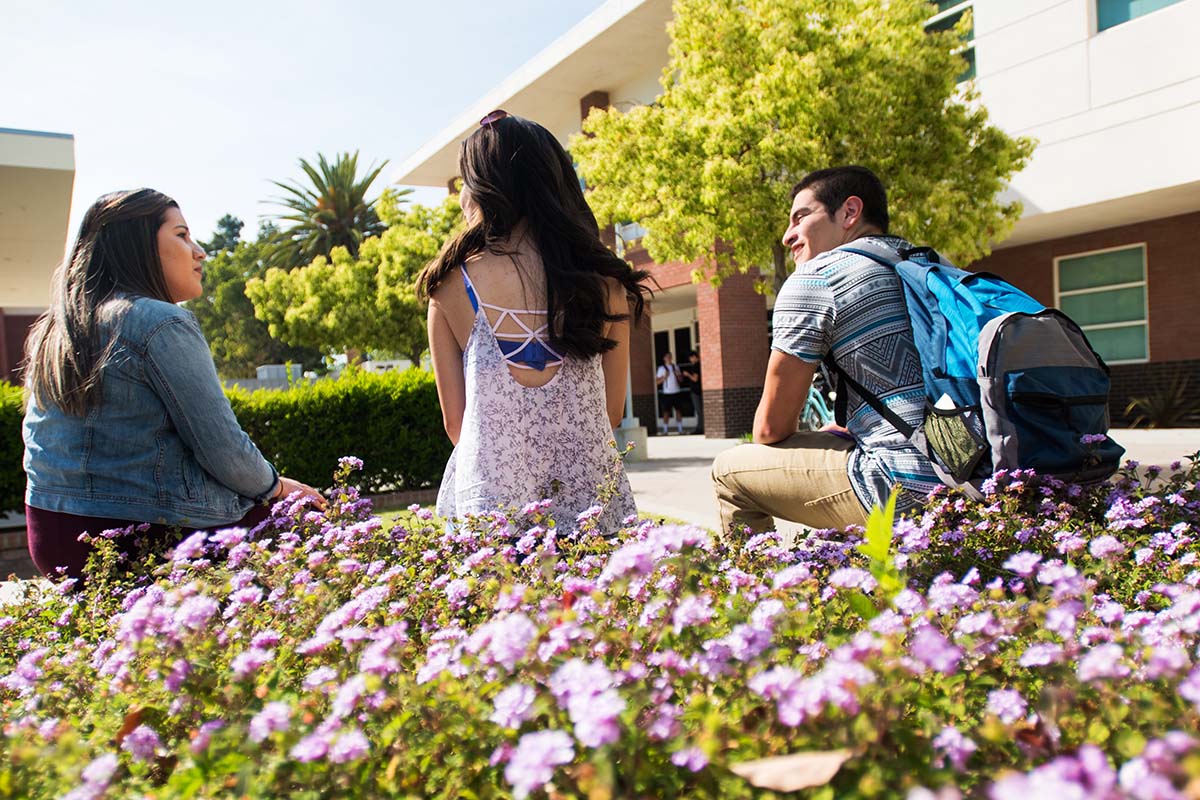
Health Services
Strives to provide high quality, low cost health care services to university students. Treats a variety of medical conditions confidentially, compassionately, and without judgment.
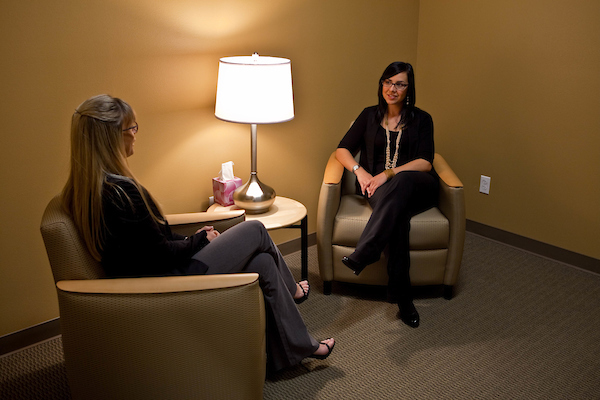
Counseling & Psychological Services
Offers short-term therapy to help students with personal, emotional, mental, or academic difficulties. Students are eligible to receive up to 8 individual or relationship sessions each academic year.

Wellness Resources
Puts on programming and an open space for all students to learn and get resources related to holistic wellbeing, including products for personal hygiene and sexual health.

Secure Environment for Student Success
We are committed to maintaining a safe campus environment that allows you to flourish in your academic pursuits.
Did you know that our Thousand Oaks campus is located in one of the safest cities on the west coast? According to recent FBI statistics, our community's crime rate is among the lowest in the state of California.
To ensure additional security and peace of mind, our Campus Safety officers are on the job 24 hours a day, 7 days a week. They are always on duty to keep our campus safe by providing:
- Emergency hotline
- Alert notifications
- Crime and fire reporting
- On-call response
- Escort services
- Safety education
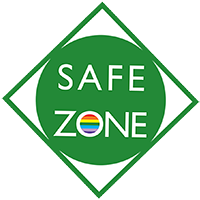 Safe Zone of Allies
While every corner of our campus is designed with students' physical, mental, and emotional safety in mind, we also understand the value of establishing intentional spaces of allyship for historically and/or currently marginalized communities.
In support of LGBTQIA+ students and underrepresented cultural, racial, and religious groups, we have over 80 faculty and staff who are Safe Zone allies. These campus members completed extensive training and can be identified by a Safe Zone badge in their office. Learn more about Safe Zone

Community of Trust and Accountability
Our campus is rooted in a network of caring professionals who uphold student safety and are available for contact.
Student Conduct
Educates the campus community of the Student Code of Conduct, reviews reports of suspected policy violation, and resolves cases with due process.
CARE Team
Campus Awareness, Referral, and Education (CARE) is a cross-divisional team that reviews student cases related to social/mental health and academics.
Title IX Resources
Title IX prohibits sex discrimination (including sexual harassment and sexual assault or violence) in education programs and university activities.
Incident Response Team
Reviews reports from all members of the university community who have witnessed or experienced harassment, discrimination, and/or bias.
Campus Conduct Hotline
This hotline is operated by an independent organization and all calls are completely confidential, to minimize any apprehensions about reporting an issue.
If you are in an emergency of imminent or present danger that may cause harm to self
or others,
please call 911 or Campus Safety at 805-493-3911.